Help a Family Turn Tents into Homes
Even a small gift can move a family from temporary shelter to lasting security.
History and Forecast
History and Forecast
History and Forecast
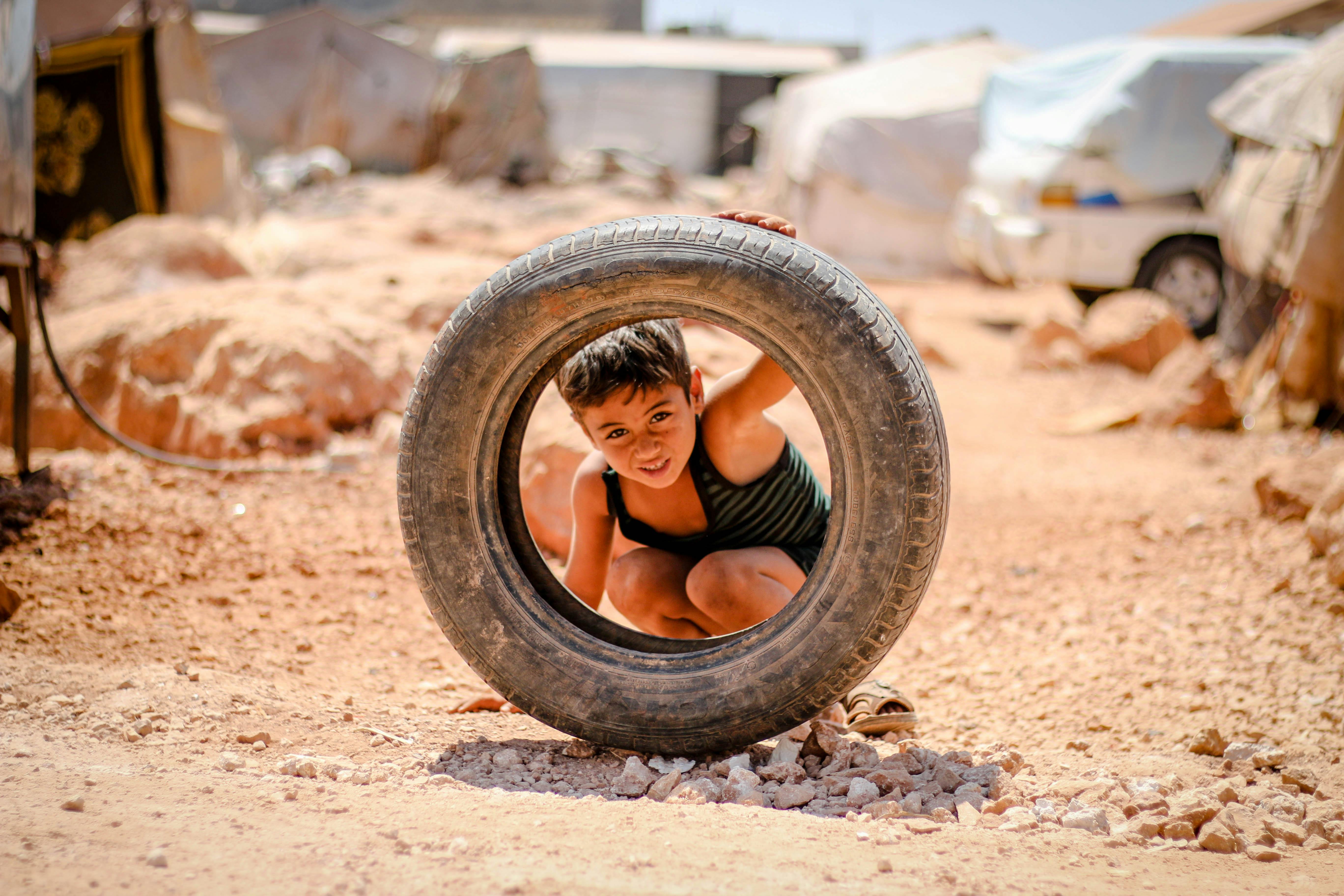
32.5M Internal Displacements Due to Climate Change (2022)
32.5M Internal Displacements Due to Climate Change (2022)
216 million internal movers by 2050 (World Bank / World Migration Report 2024)
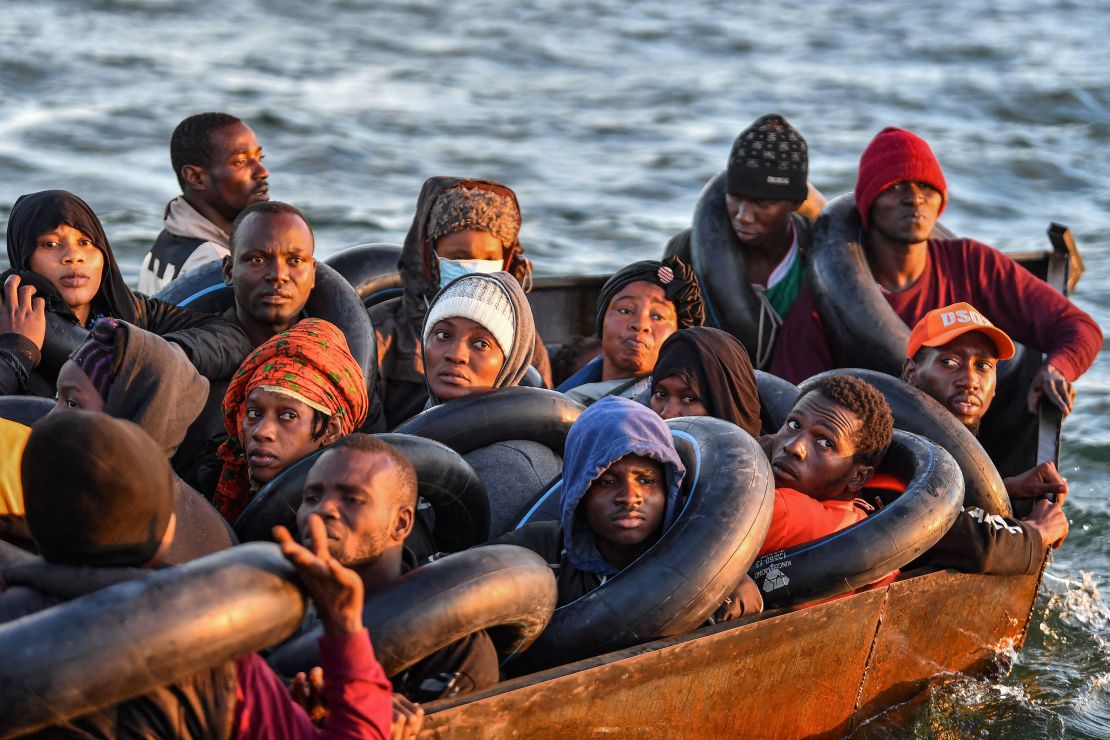
Sub-Saharan Africa to have ~86M movers by 2050
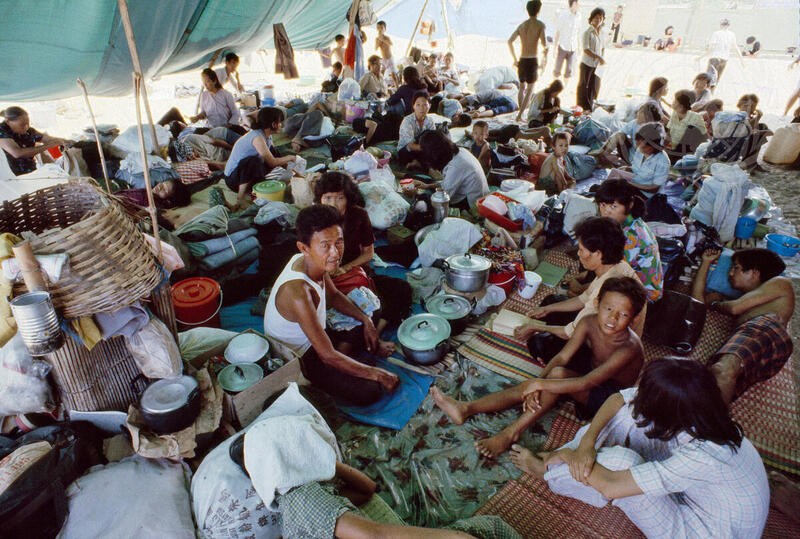
East Asia & Pacific to have ~49M movers by 2050
East Asia & Pacific to have ~49M movers by 2050
~40M
~40M
movers from South Asia by 2050
~40M
movers from South Asia by 2050
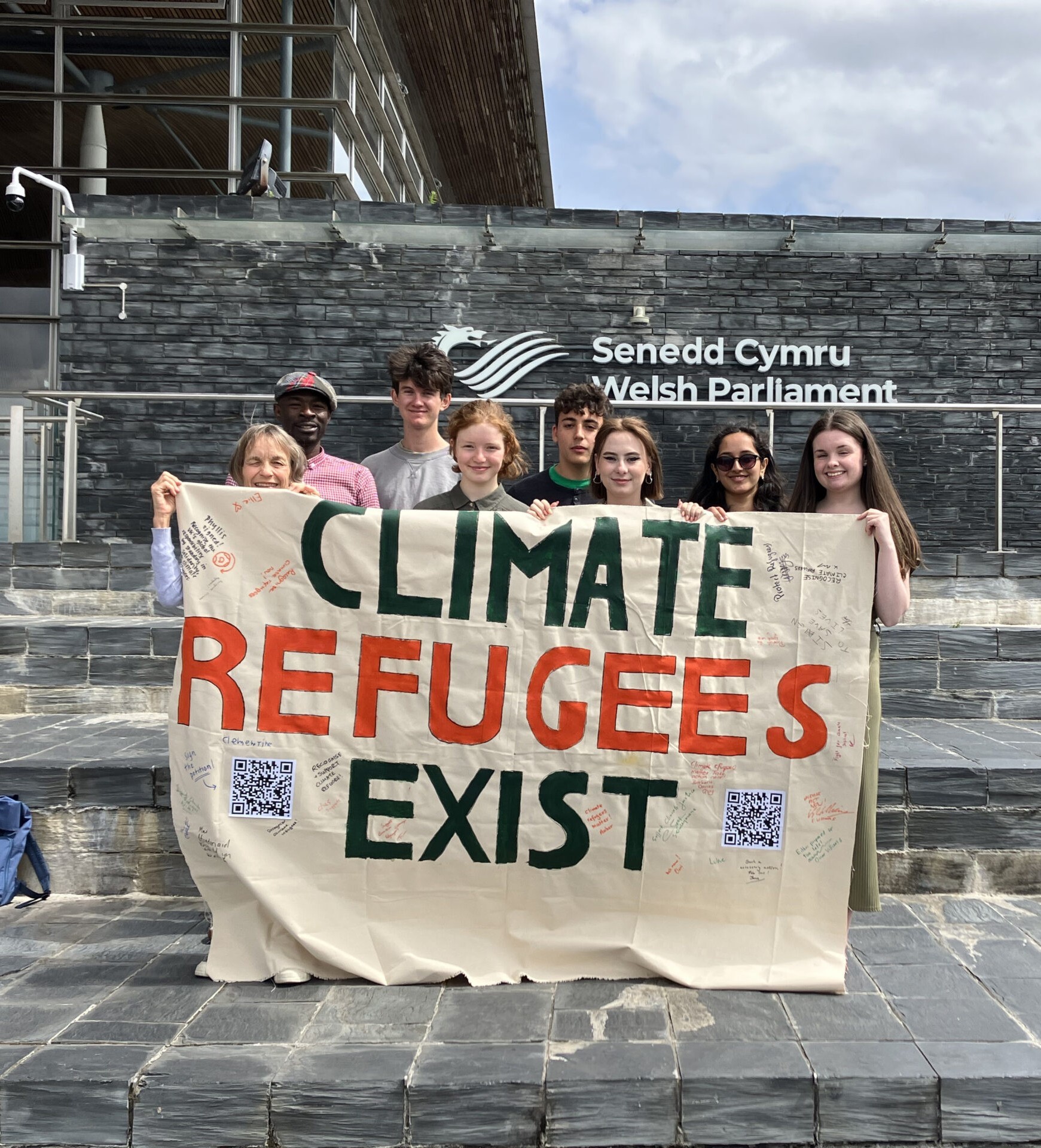
International Law does not recognize climate migrants as refugees
International Law does not recognize climate migrants as refugees
International Law does not recognize climate migrants as refugees
Journey Map
Journey Map
Journey Map
How Sheltr Functions
Explore all the stages of our service, from Camp to Community
Registration
Sheltr sets camp around other refugee camps to help onboard people to the service
Assessment
Caseworkers assess the household damage and define long term needs. (Documents revival, Housing, Job)
Matchmaking
Builders and Home Owners or NGOs that provide housing are contacted to match with the needs.
Training and Income
Coaches from various fields provide training for employment.

Move & Transition
Once all needs are finalised, families are moved from camp to communities into permanent housing.
Stabilization
Caseworkers make sure families are well integrated into the communities and have good income flow.
Registration
Sheltr sets camp around other refugee camps to help onboard people to the service
Assessment
Caseworkers assess the household damage and define long term needs. (Documents revival, Housing, Job)
Matchmaking
Builders and Home Owners or NGOs that provide housing are contacted to match with the needs.
Training and Income
Coaches from various fields provide training for employment.
Move & Transition
Once all needs are finalised, families are moved from camp to communities into permanent housing.
Stabilization
Caseworkers make sure families are well integrated into the communities and have good income flow.
Registration
Sheltr sets camp around other refugee camps to help onboard people to the service
Assessment
Caseworkers assess the household damage and define long term needs. (Documents revival, Housing, Job)
Matchmaking
Builders and Home Owners or NGOs that provide housing are contacted to match with the needs.
Training and Income
Coaches from various fields provide training for employment.
Move & Transition
Once all needs are finalised, families are moved from camp to communities into permanent housing.

Stabilization
Caseworkers make sure families are well integrated into the communities and have good income flow.
Registration
Sheltr sets camp around other refugee camps to help onboard people to the service
Assessment
Caseworkers assess the household damage and define long term needs. (Documents revival, Housing, Job)
Matchmaking
Builders and Home Owners or NGOs that provide housing are contacted to match with the needs.
Training and Income
Coaches from various fields provide training for employment.
Move & Transition
Once all needs are finalised, families are moved from camp to communities into permanent housing.
Stabilization
Caseworkers make sure families are well integrated into the communities and have good income flow.
Registration
Sheltr sets camp around other refugee camps to help onboard people to the service
Assessment
Caseworkers assess the household damage and define long term needs. (Documents revival, Housing, Job)
Matchmaking
Builders and Home Owners or NGOs that provide housing are contacted to match with the needs.
Training and Income
Coaches from various fields provide training for employment.
Move & Transition
Once all needs are finalised, families are moved from camp to communities into permanent housing.
Stabilization
Caseworkers make sure families are well integrated into the communities and have good income flow.
Registration
Sheltr sets camp around other refugee camps to help onboard people to the service
Assessment
Caseworkers assess the household damage and define long term needs. (Documents revival, Housing, Job)
Matchmaking
Builders and Home Owners or NGOs that provide housing are contacted to match with the needs.
Training and Income
Coaches from various fields provide training for employment.
Move & Transition
Once all needs are finalised, families are moved from camp to communities into permanent housing.
Stabilization
Caseworkers make sure families are well integrated into the communities and have good income flow.
Visual Artefacts
Visual Artefacts
Visual Artefacts
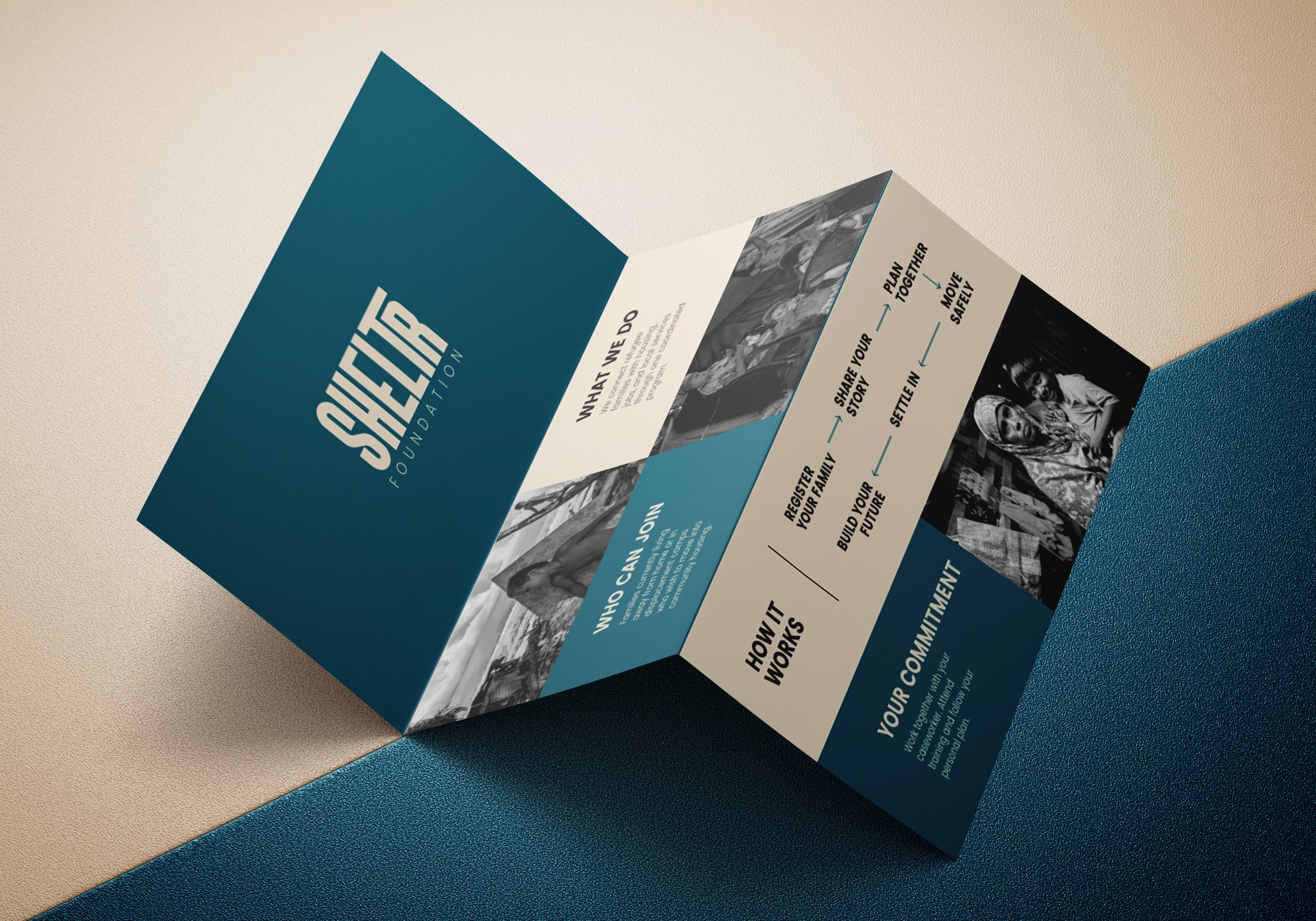
Explore the Ecosystem of Touchpoints of all Stakeholders
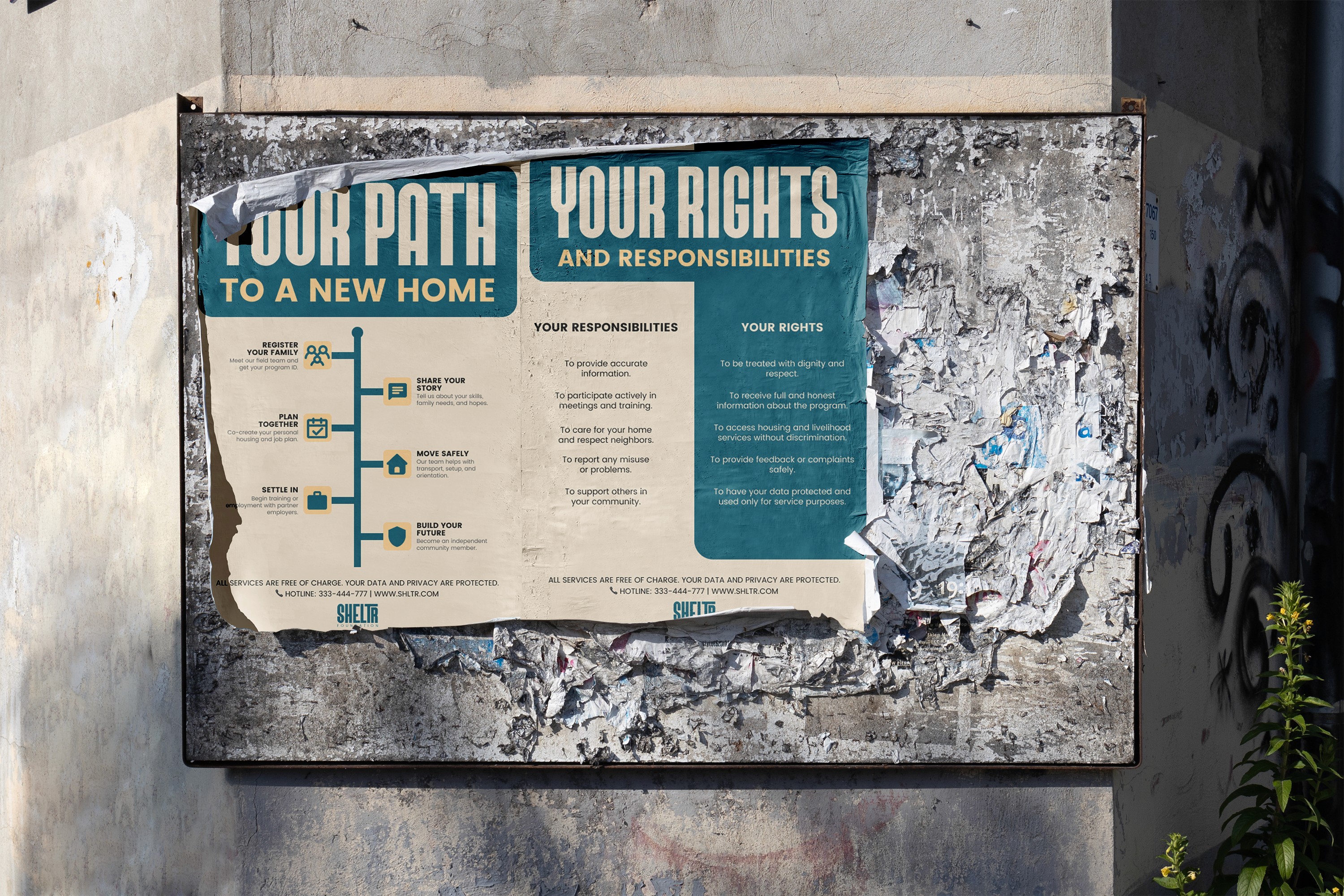
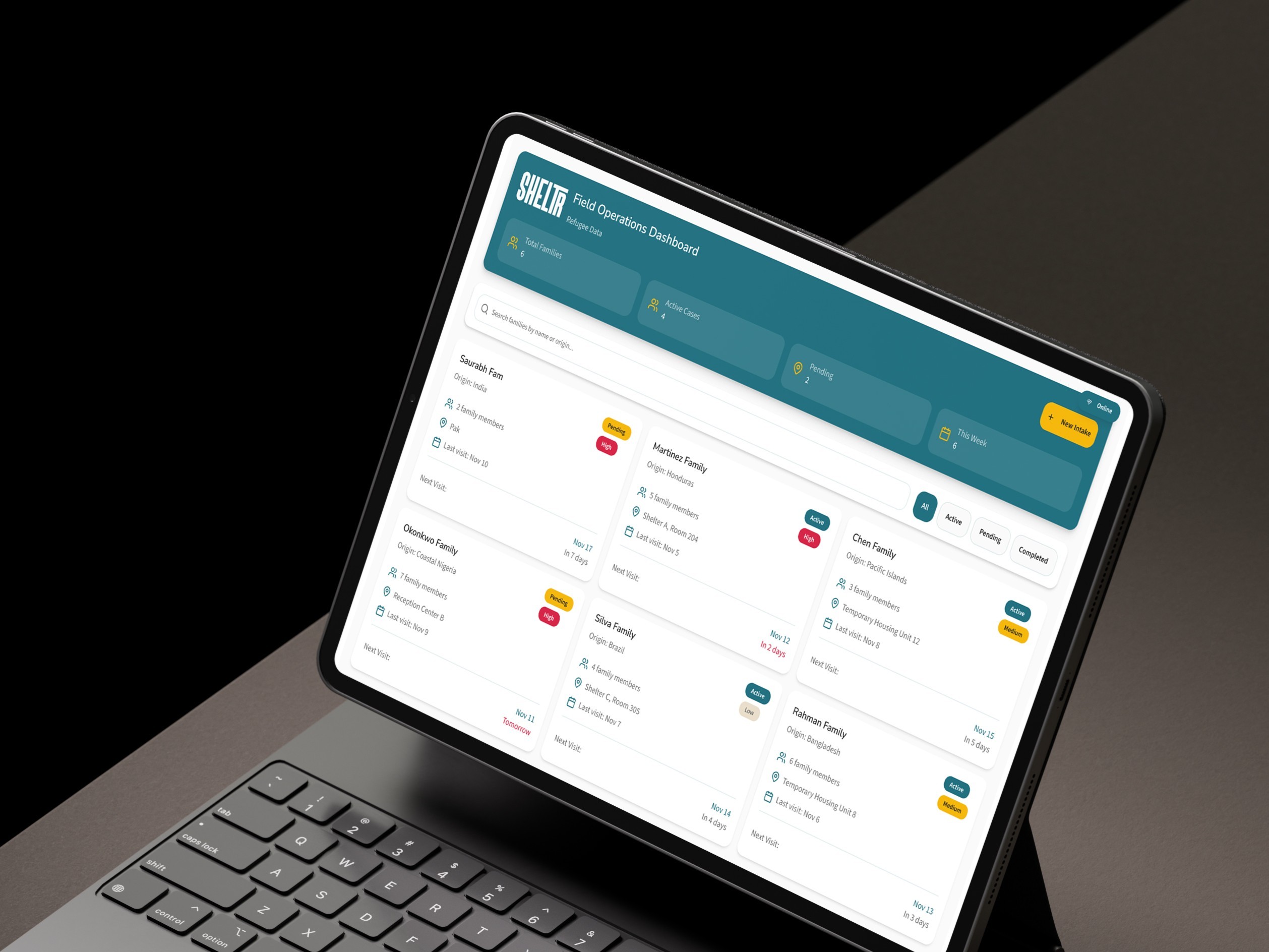
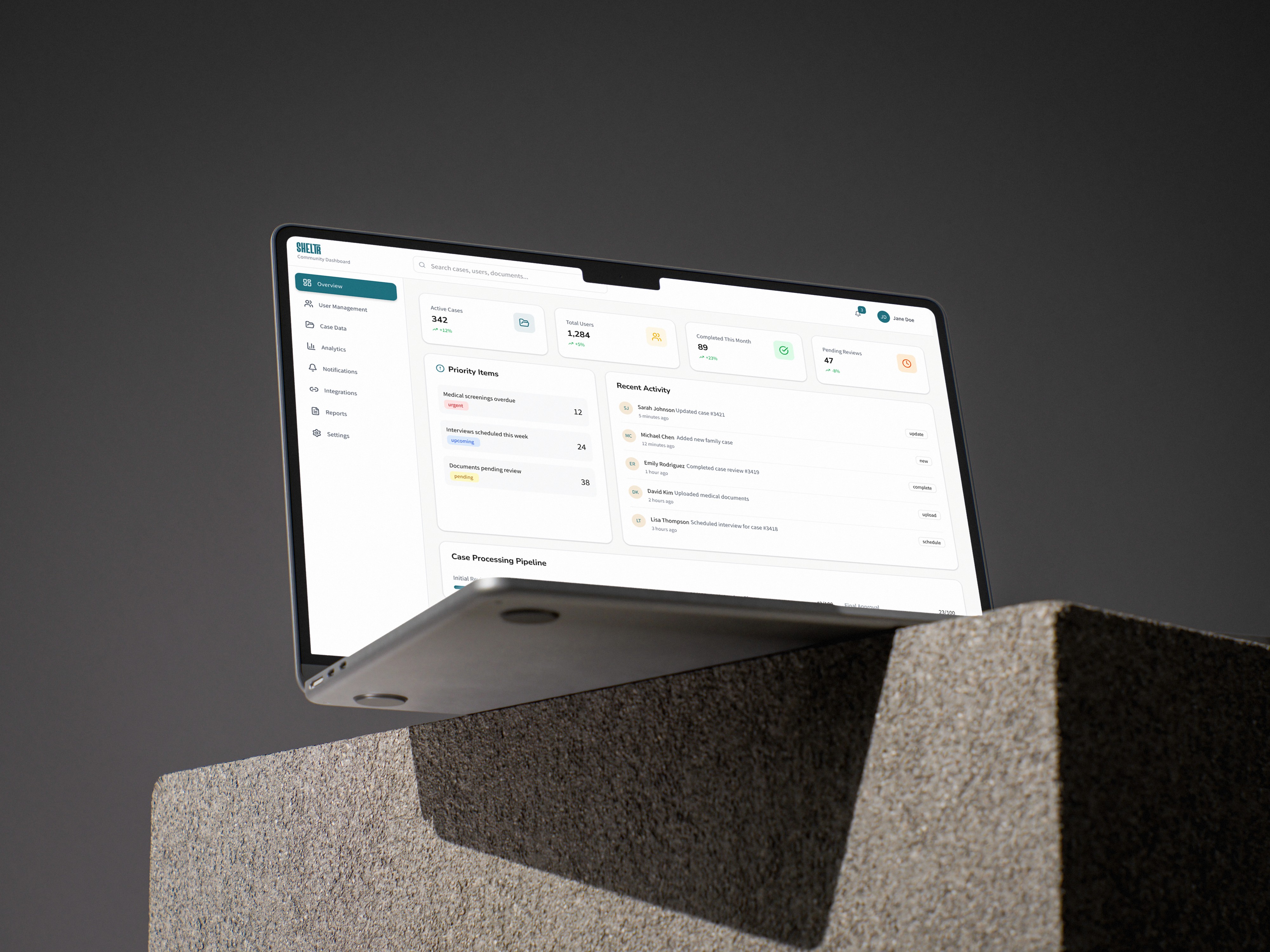
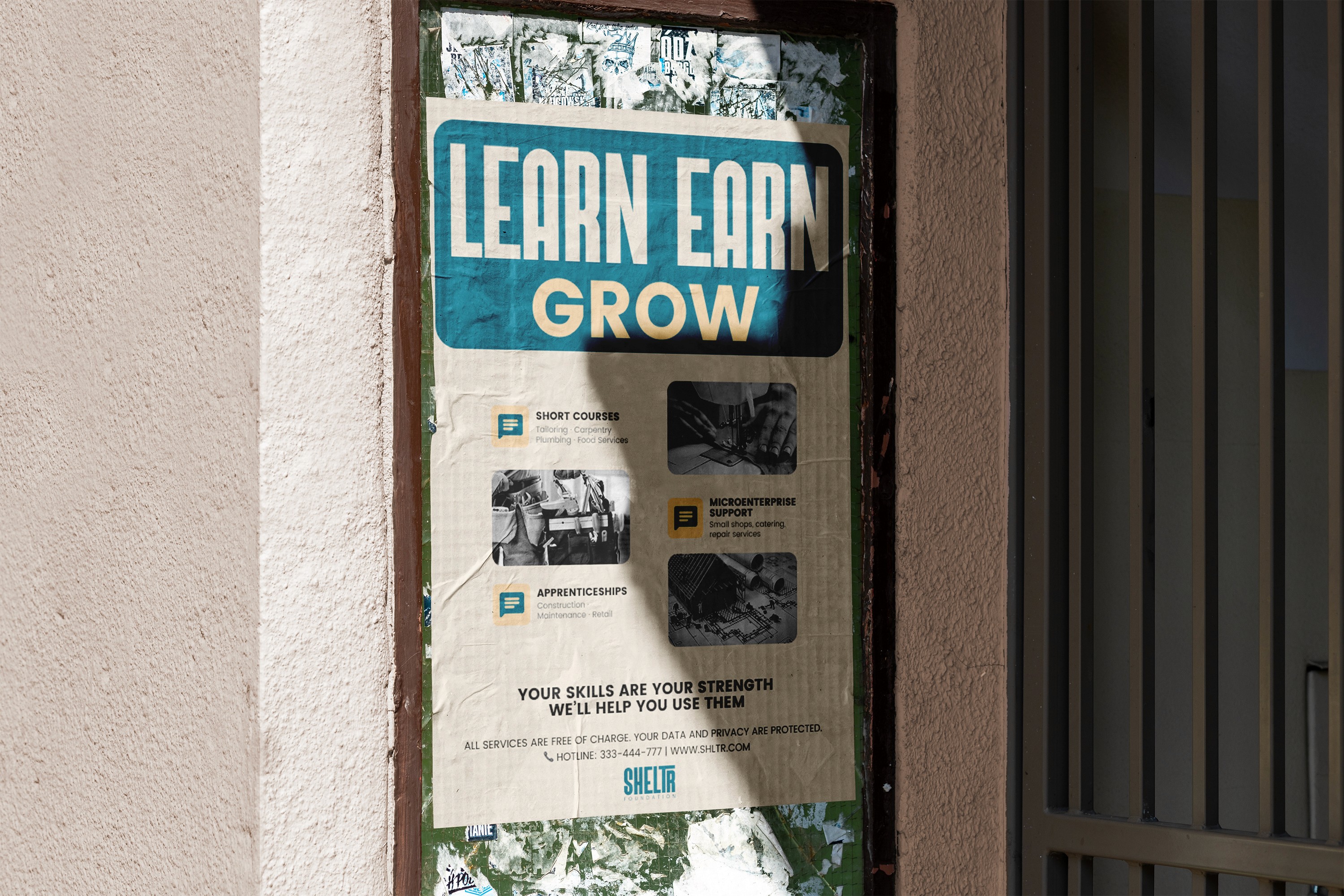
The visual artefacts can be categorized into three groups. The Digital Interfaces, The Physical Forms and Communication Artefacts.
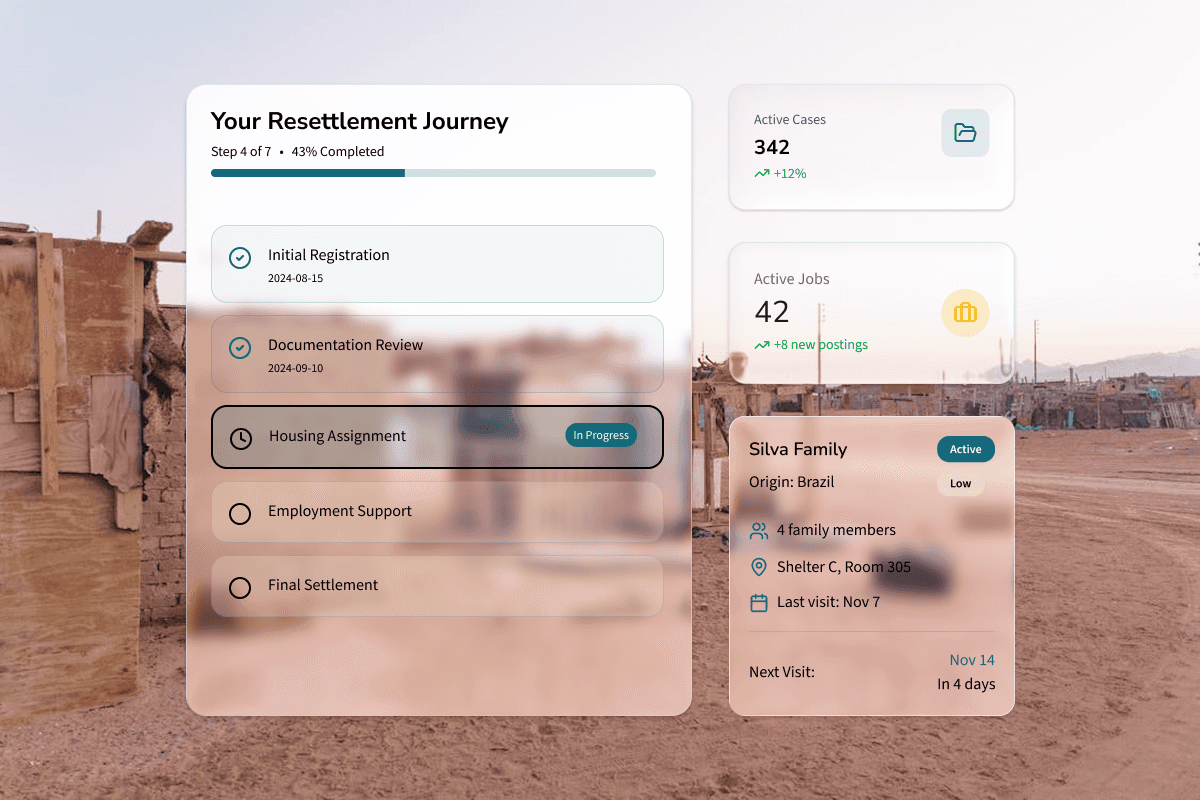
Digital Interfaces
Our digital tools connect every stage of the journey. Platforms for refugees, field teams, employers, and managers share one secure system, ensuring transparency and continuity.
Physical Forms
Communication Artefacts

Digital Interfaces
Our digital tools connect every stage of the journey. Platforms for refugees, field teams, employers, and managers share one secure system, ensuring transparency and continuity.
Physical Forms
Communication Artefacts
Digital Interfaces
Our digital tools connect every stage of the journey. Platforms for refugees, field teams, employers, and managers share one secure system, ensuring transparency and continuity.
Physical Forms
Communication Artefacts
FAQ
FAQ
FAQ
Frequently Asked Questions
Everything you need to know about Sheltr
What is Sheltr?
Sheltr is a service system that helps displaced families move from temporary camps into stable housing, sustainable livelihoods, and connected communities. We combine housing, job training, and community support into one coordinated journey designed around dignity, transparency, and empowerment.
Is Sheltr only for refugees at camps?
How does the process work?
How does Sheltr sustain financially?
Can organizations or companies partner with you?
How do people find jobs or training through the program?
What is Sheltr?
Sheltr is a service system that helps displaced families move from temporary camps into stable housing, sustainable livelihoods, and connected communities. We combine housing, job training, and community support into one coordinated journey designed around dignity, transparency, and empowerment.
Is Sheltr only for refugees at camps?
How does the process work?
How does Sheltr sustain financially?
Can organizations or companies partner with you?
How do people find jobs or training through the program?
What is Sheltr?
Sheltr is a service system that helps displaced families move from temporary camps into stable housing, sustainable livelihoods, and connected communities. We combine housing, job training, and community support into one coordinated journey designed around dignity, transparency, and empowerment.
Is Sheltr only for refugees at camps?
How does the process work?
How does Sheltr sustain financially?
Can organizations or companies partner with you?
How do people find jobs or training through the program?
